Superdielectrics
Delivering next generation battery technology
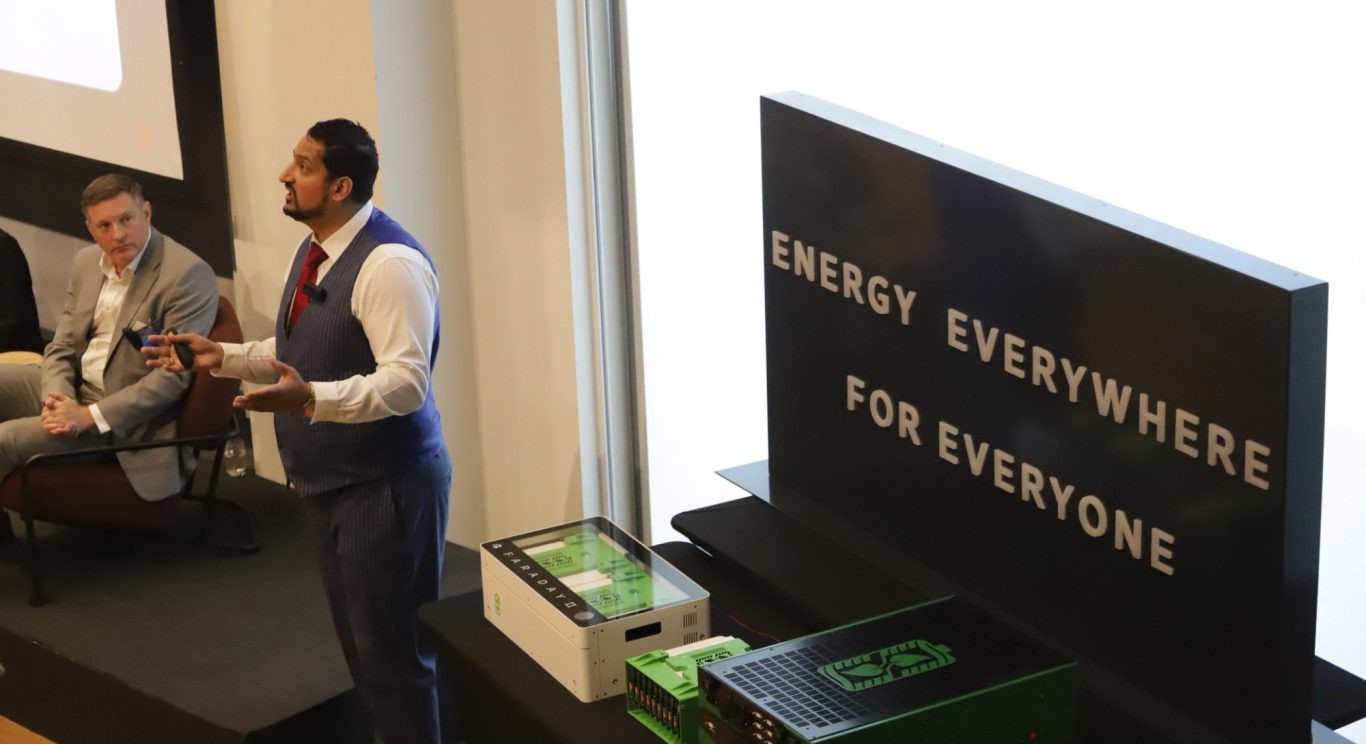
Dr Bhatti launched the Faraday 2 with a high-profile event at King’s Cross St Pancras in central London.
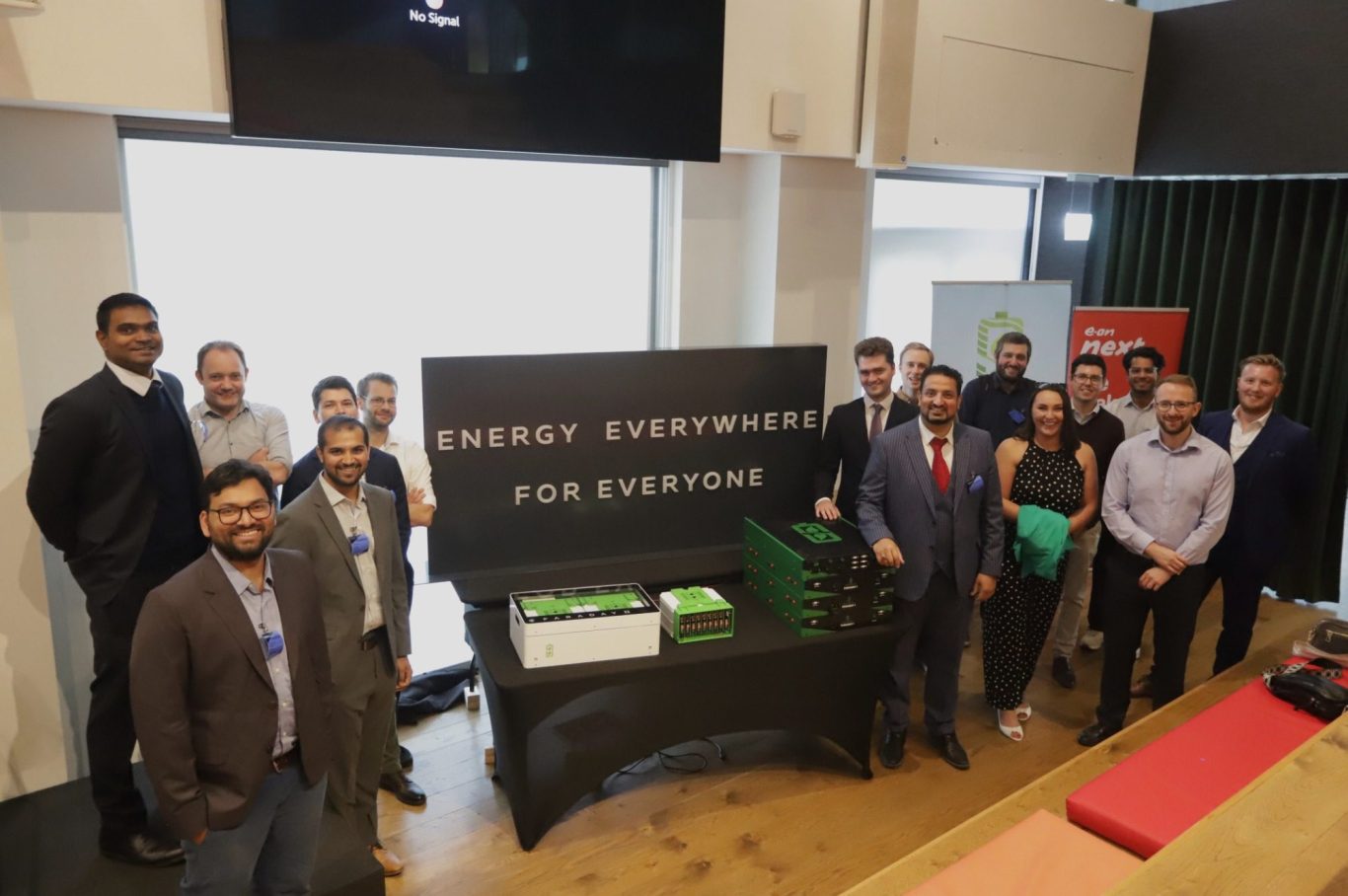
The launch event welcomed 170 distinguished guests, including investors, leading energy organisations such as e.on energy, media representatives such as New Scientist and PV Magazine, academics, government officials such as the Department of Energy, and other prominent attendees.
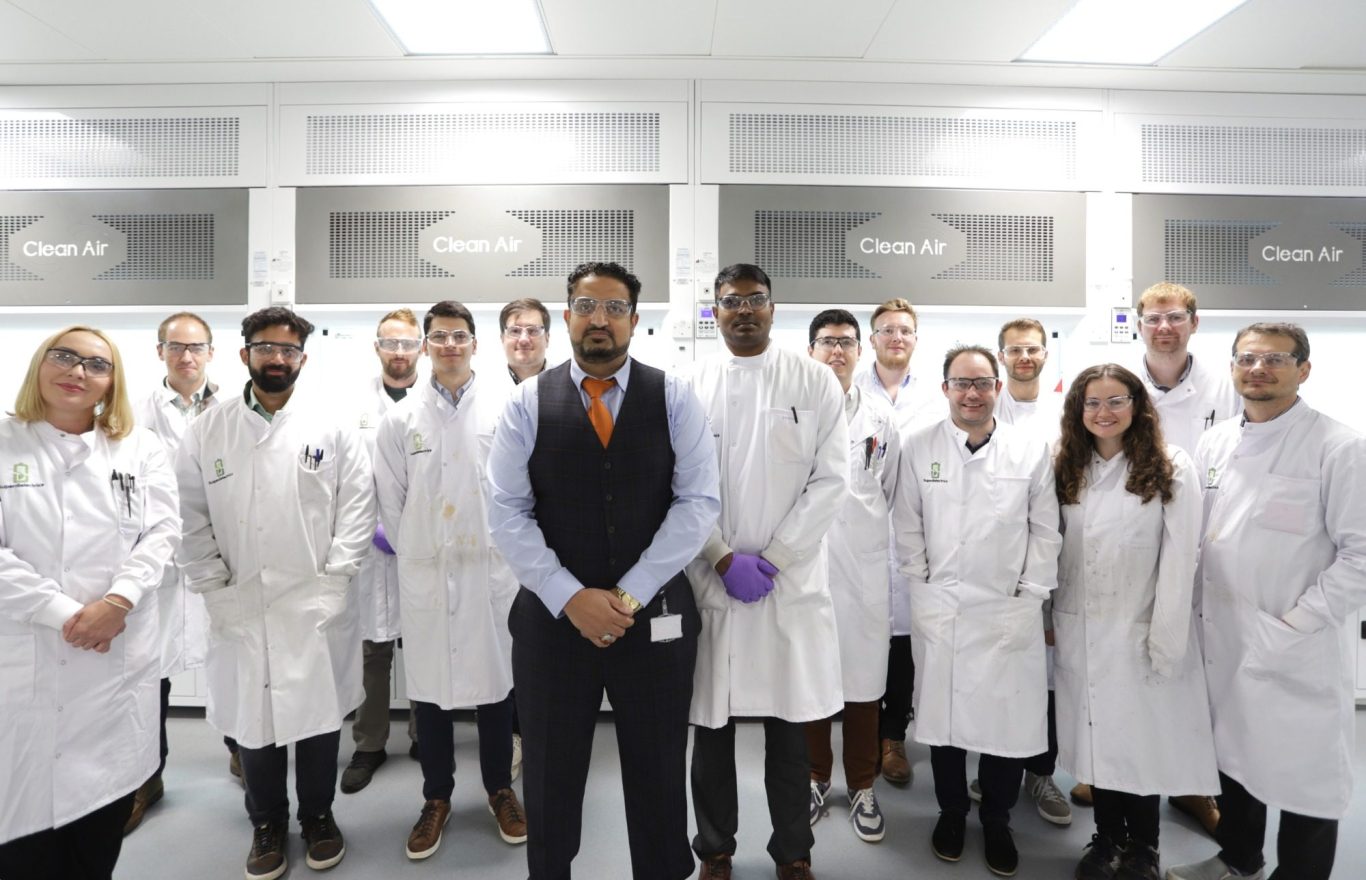
Dr Bhatti led a team of more than 26 scientists and engineers, including 10 direct reports, in developing next-generation battery and supercapacitor technologies, including the Superdielectrics Faraday 2 battery.
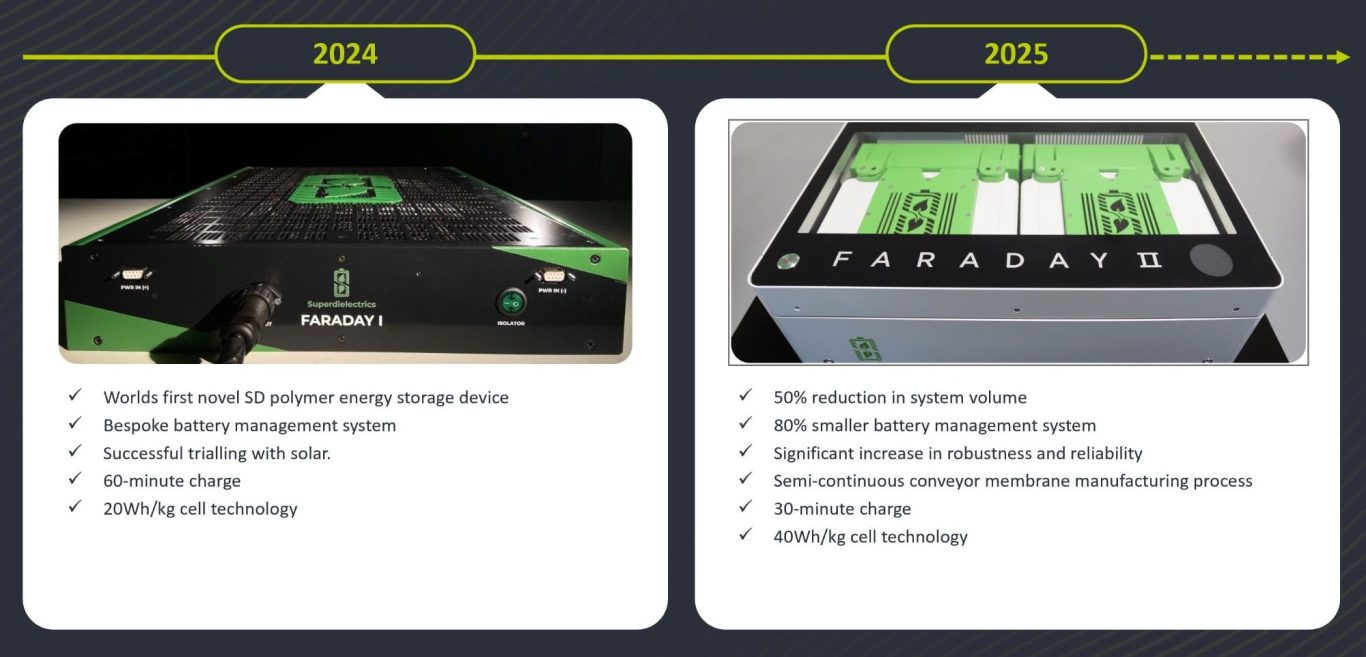
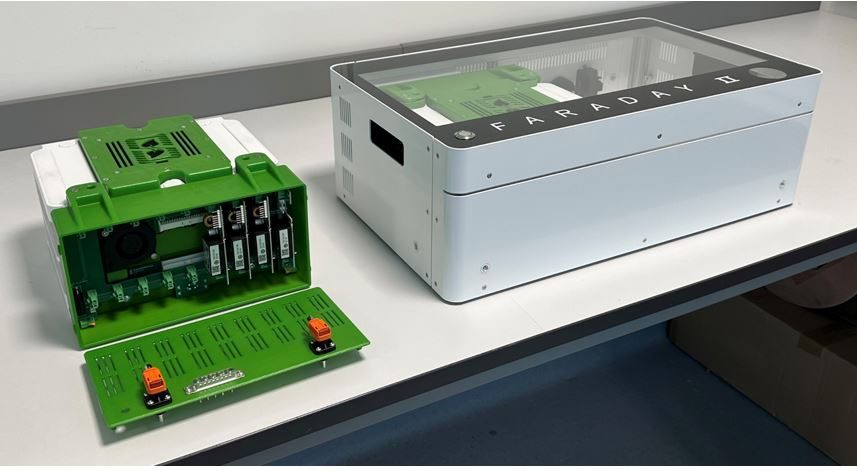
Delivered a next-generation battery that significantly outperformed its predecessor, reducing system volume by 50% and BMS size by 80%, doubling charging speed and energy density, whilst also substantially improving robustness and reliability.
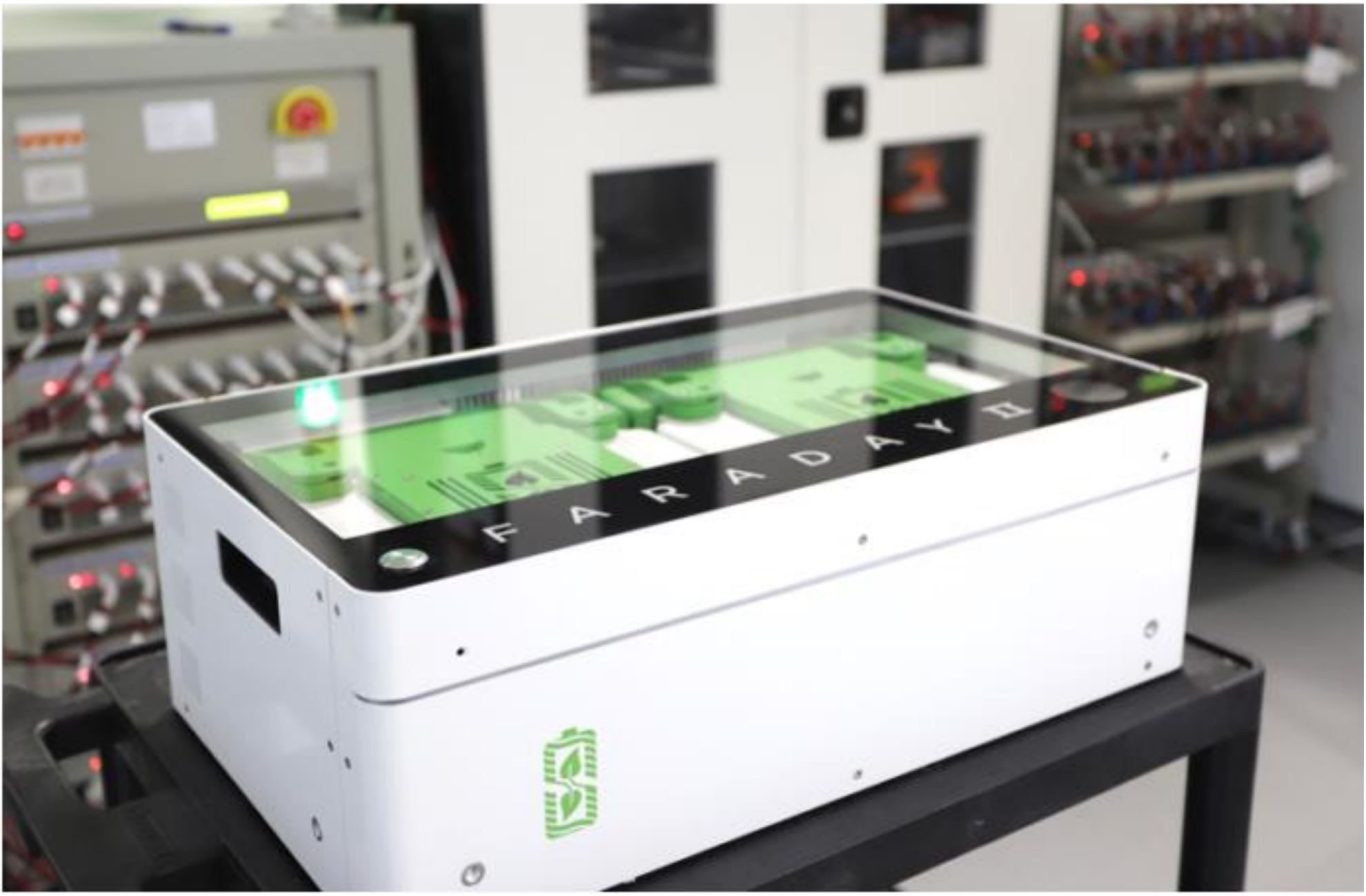
The Faraday 2 was designed for home energy storage, with a portable, easy-to-install design and a digital performance display.
Faraday 2 received coverage on ITV News, Sky News Business, and several other media outlets.









JCB excavators
In a techno-commercial role, Dr Bhatti led the design, development, testing and manufacture of the world’s first commercially viable electric digger. To achieve the goal of being first to market with a viable product, the team converted an existing model rather than designing a new electric vehicle from the ground up.
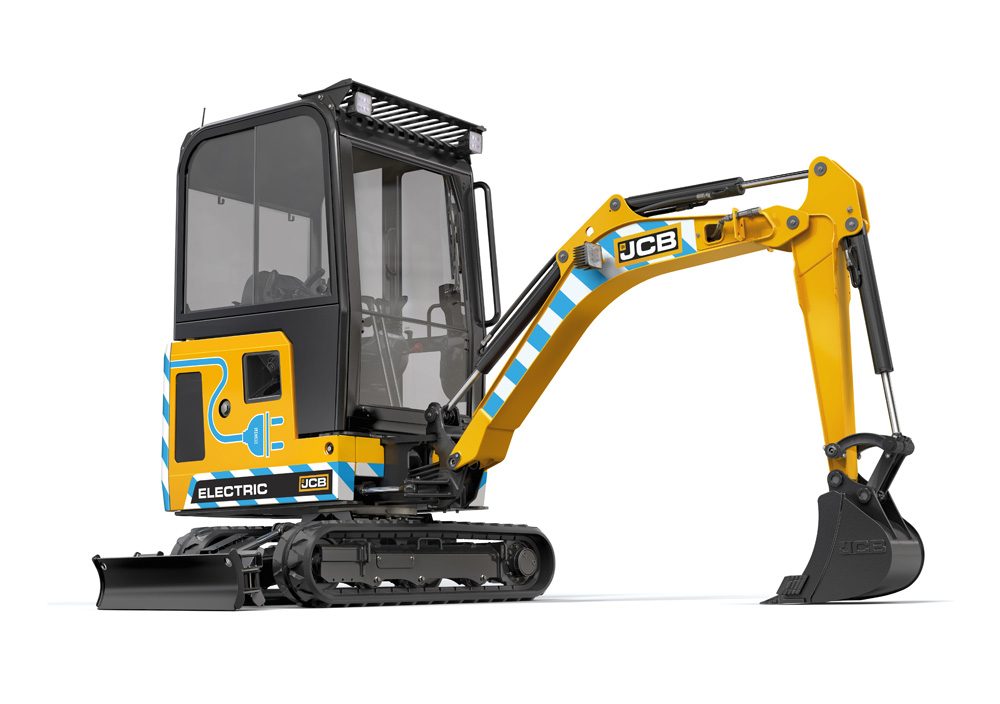
Several existing machines were assessed against performance requirements, power demand, likely electric use cases and their benefits and drawbacks, current and future market demand, the commercial case, regulatory factors such as emissions restrictions, and overall cost and market pricing. The 1.9-tonne compact excavator was identified as the most suitable machine for initial electrification.
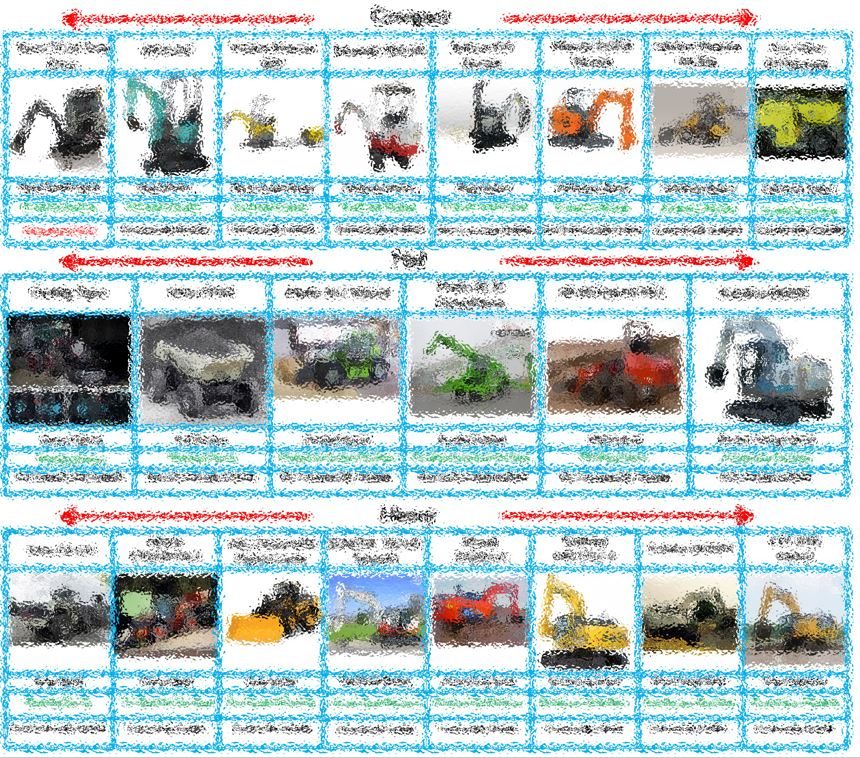
A competitor analysis assessed rival programmes to electrify compact, mid-sized and heavy machinery.
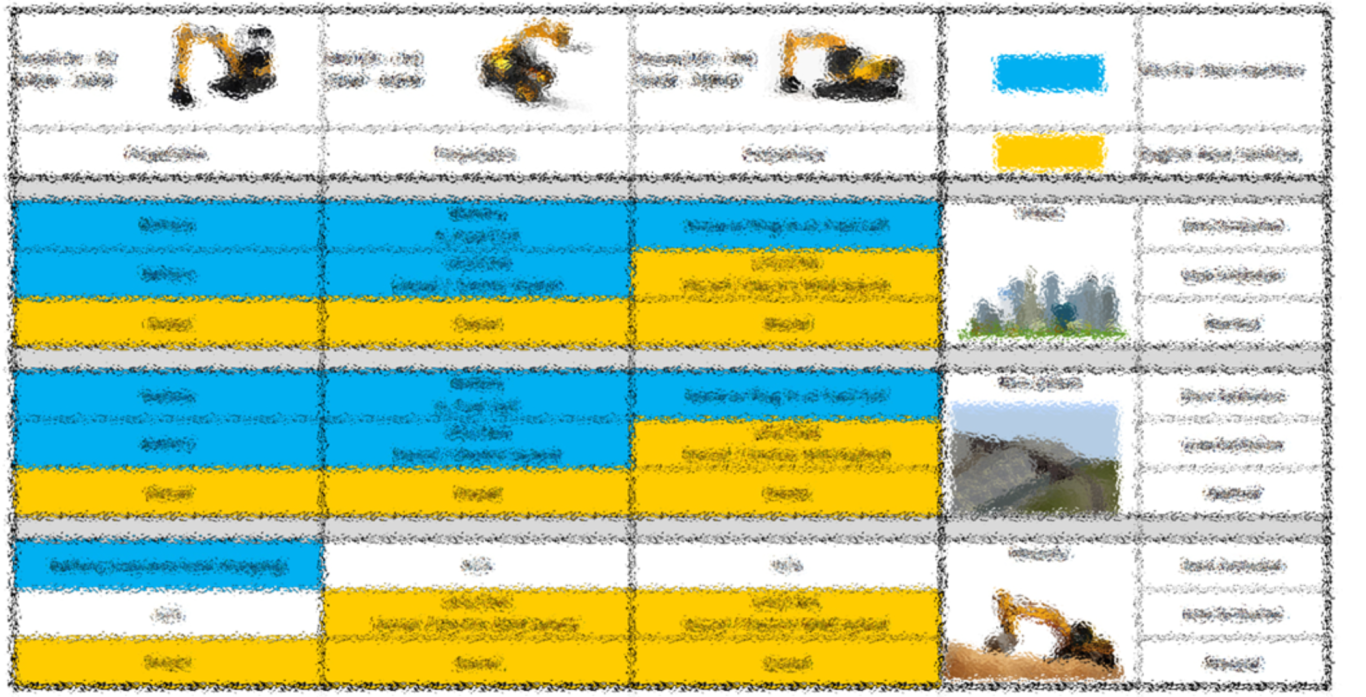
A range of machines were assessed to identify future powertrain options that could reduce or eliminate emissions. The assessment also identified groups of machines suitable for electrification, enabling economies of scale in powertrain components.
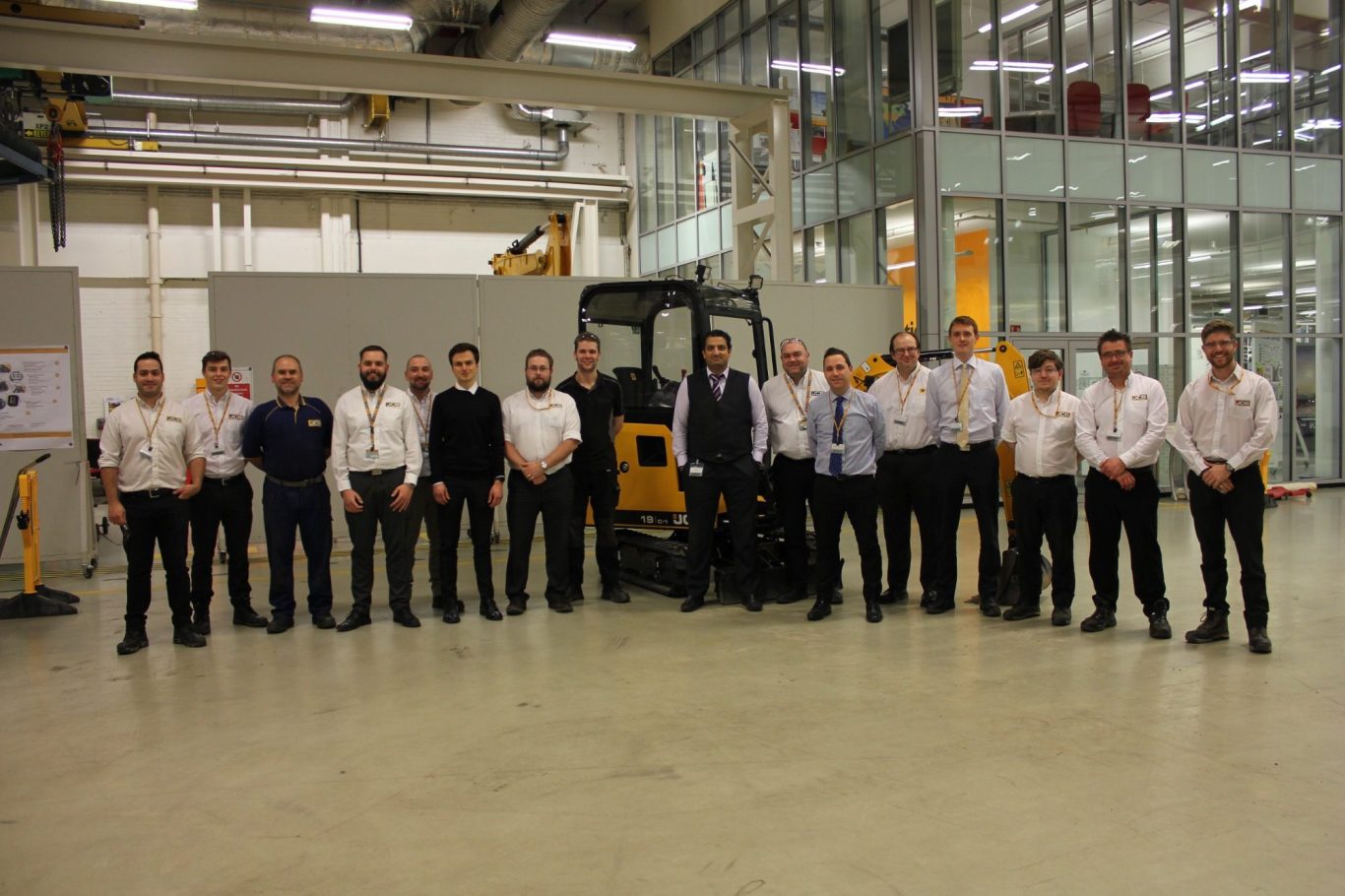
The worlds first commercially viable electric digger
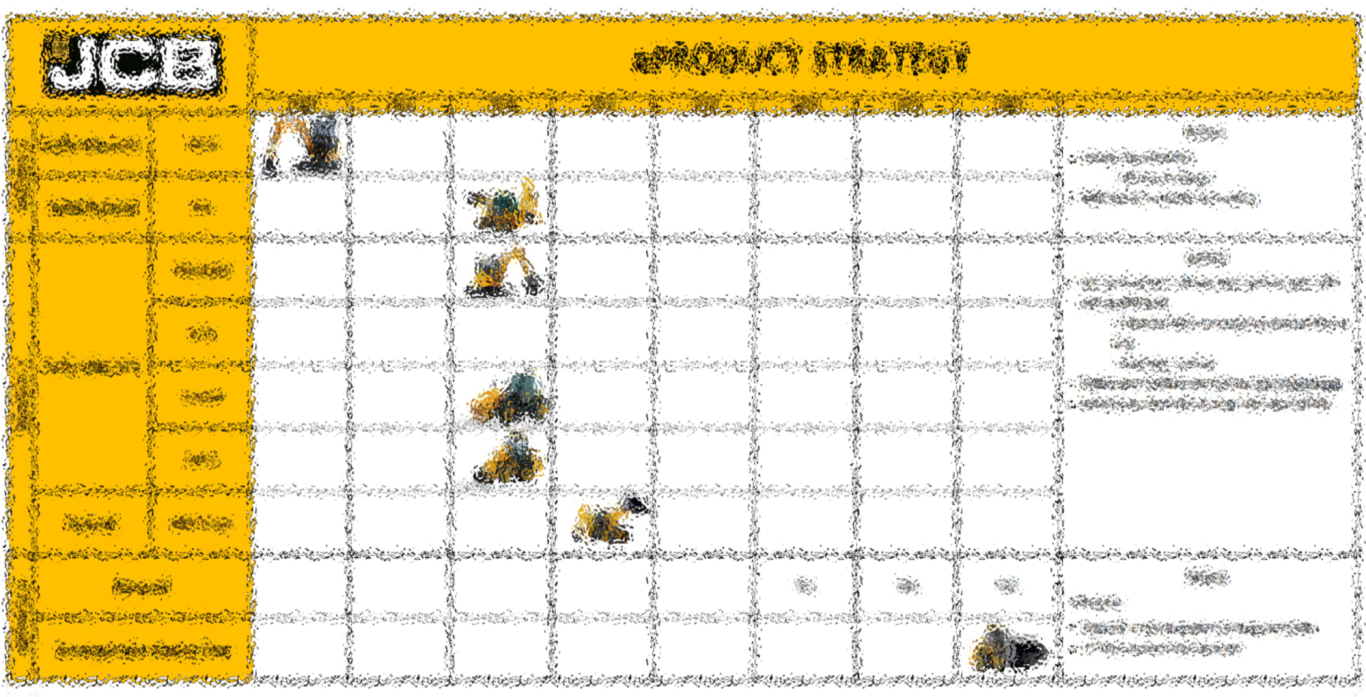
Five year eProduct roadmap and electrification strategy
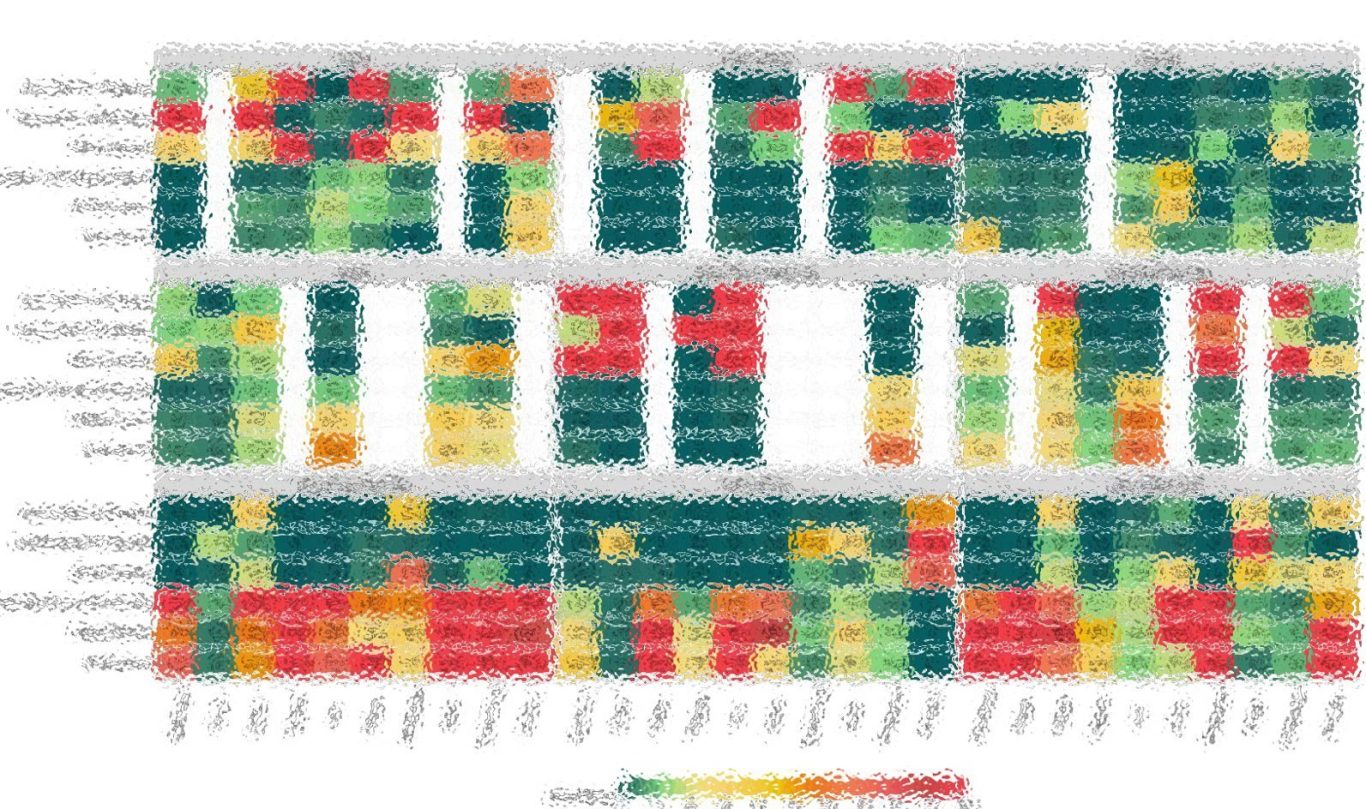
A detailed analysis assessed leading manufacturers of key powertrain components, including batteries, electric motors, inverters, and power electronics. Components and systems were evaluated for technical performance, while suppliers were assessed for business and commercial fit. The strongest suppliers were shortlisted, and commercial supply agreements were negotiated.
Aerospace technology institute
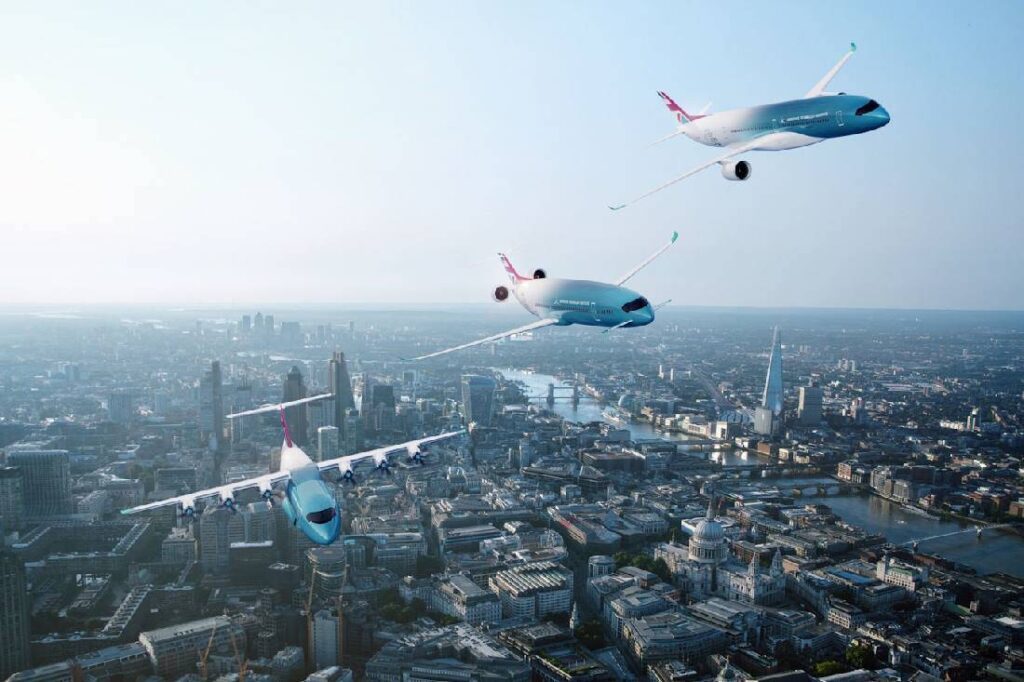
Future zero emission hydrogen fueled electric aircraft
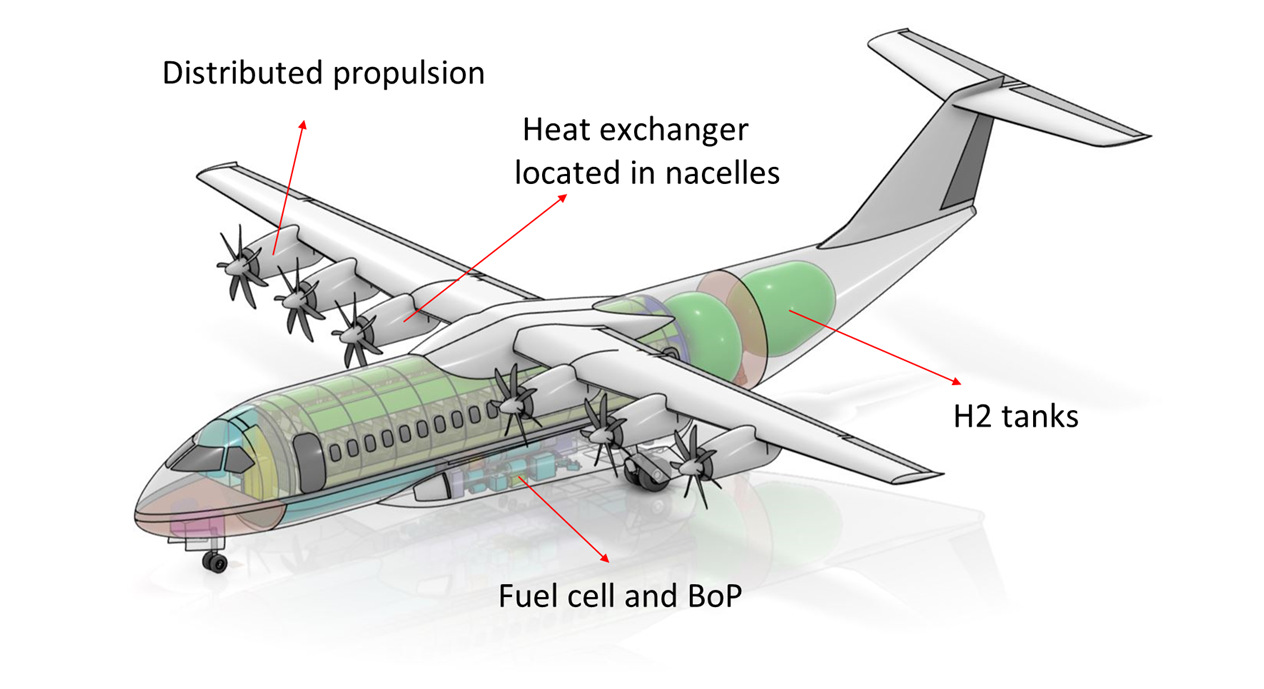
The final design was a 96-seat regional aircraft powered by a fuel-cell electric powertrain with an integrated balance-of-plant system and onboard liquefied hydrogen storage.
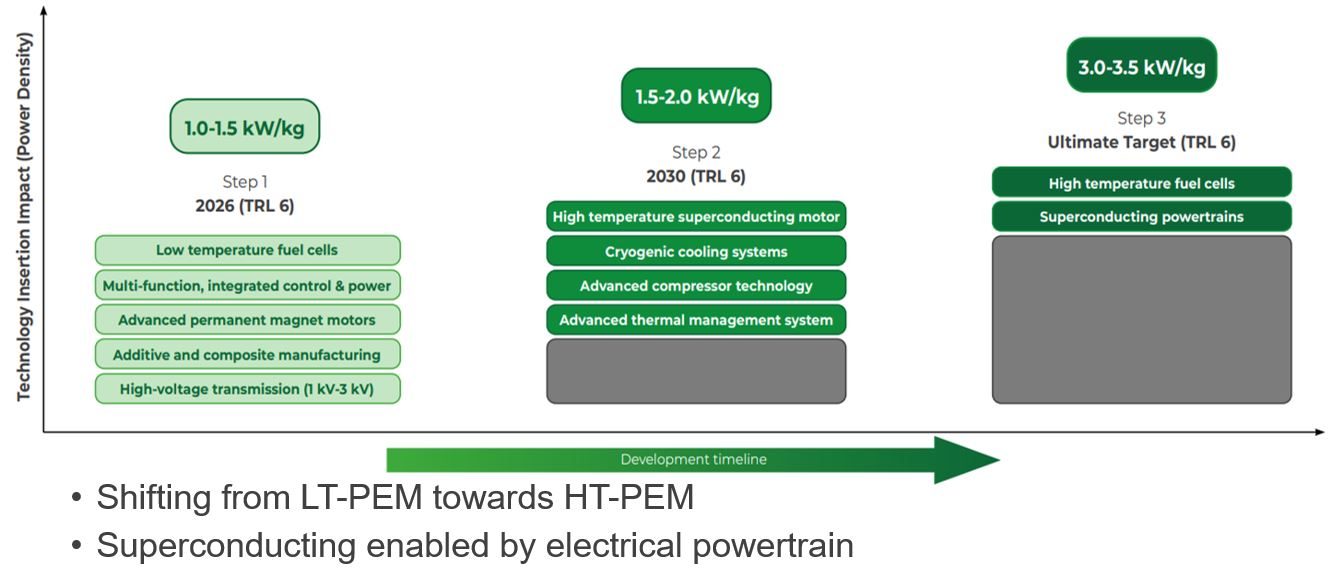
The analysis compared system-level energy density and highlighted the benefits of transitioning from low- to high-temperature PEM fuel cells.
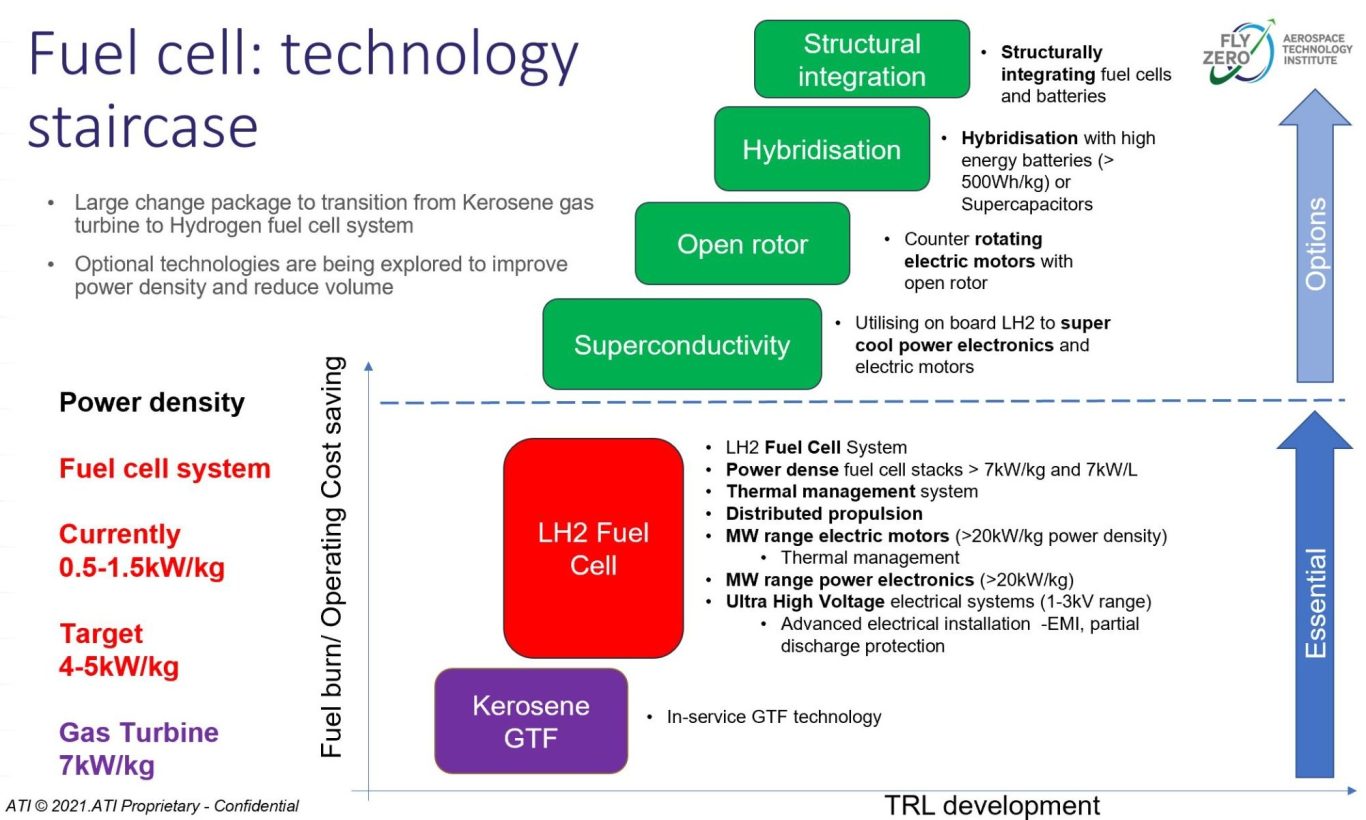
Technology staircase showcasing the essential steps required to transition from the incumbent gas turbine technology to a fuel cell system with improved power density and reduced volume.
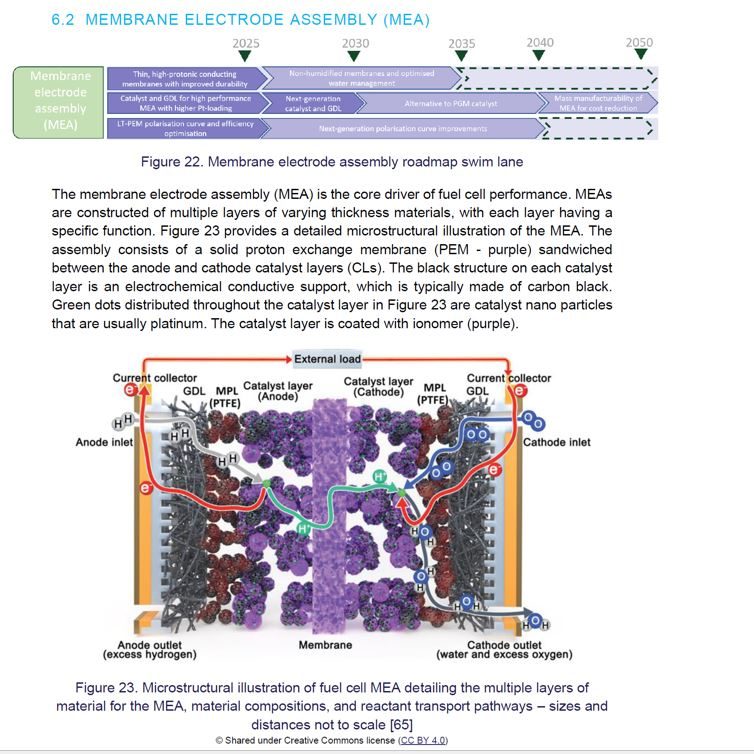
A detailed technical report defined the key steps for advancing fuel technologies to meet near-term aerospace performance requirements.
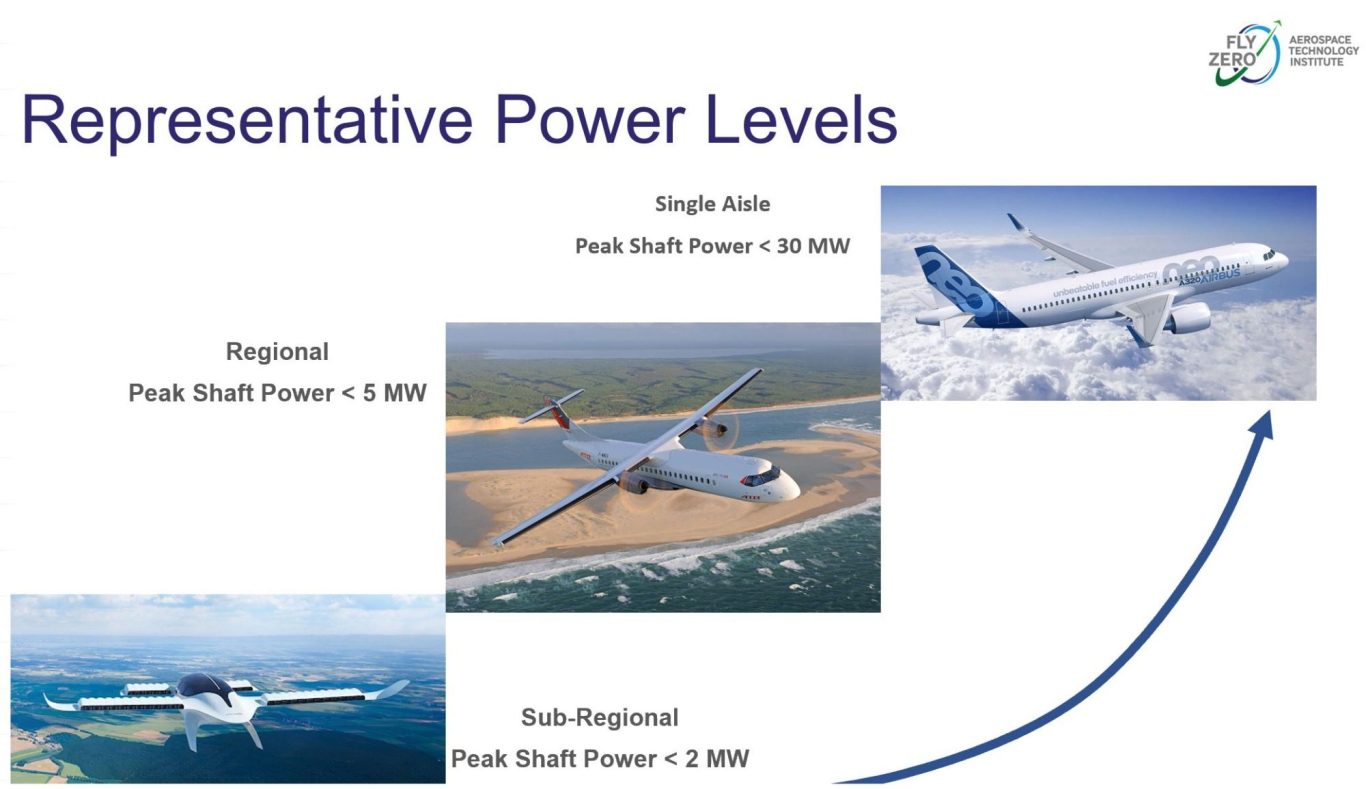
FlyZero was a £3.6 million project in which Dr Bhatti led the powertrain team. Its objective was to design the next generation of zero-emission commercial aircraft. The project brought together 96 technical and commercial experts, including specialists from leading aerospace organisations such as Airbus, Rolls-Royce, GKN and GE, alongside independent experts including Dr Bhatti. The team designed three aircraft classes—regional, narrow-body and wide-body—incorporating current state-of-the-art and anticipated advances in aircraft structures, materials and powertrain technologies.
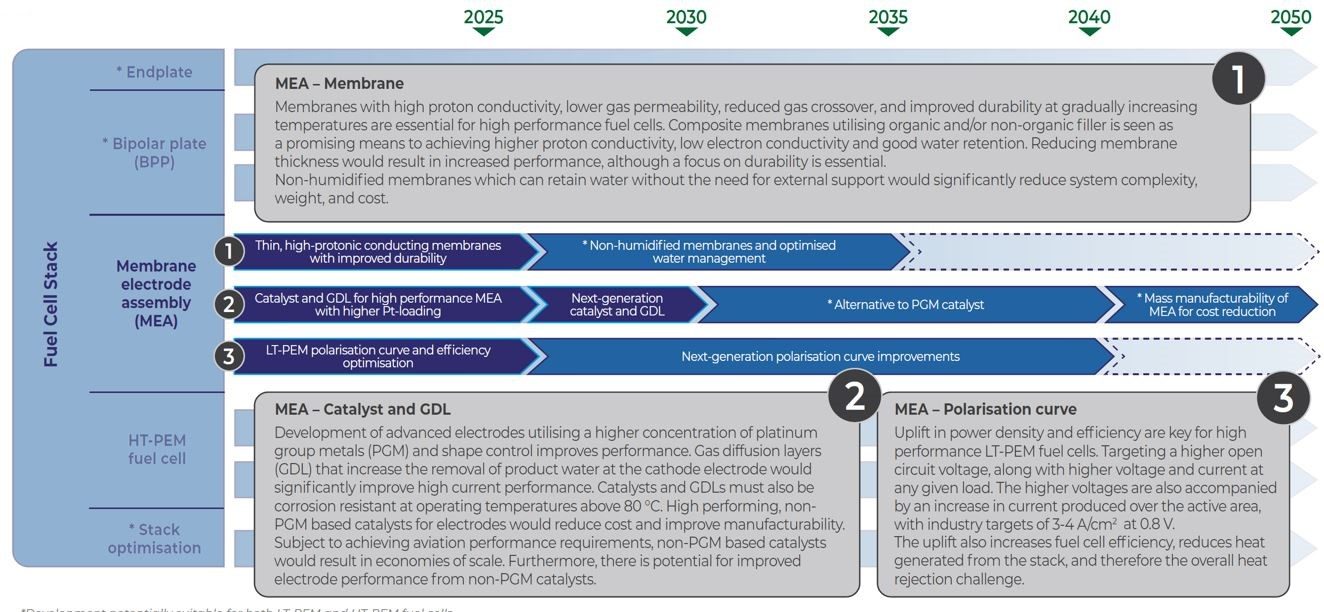
The critical technologies required for future zero-emission aircraft were identified, and development roadmaps were created for each technology building block.
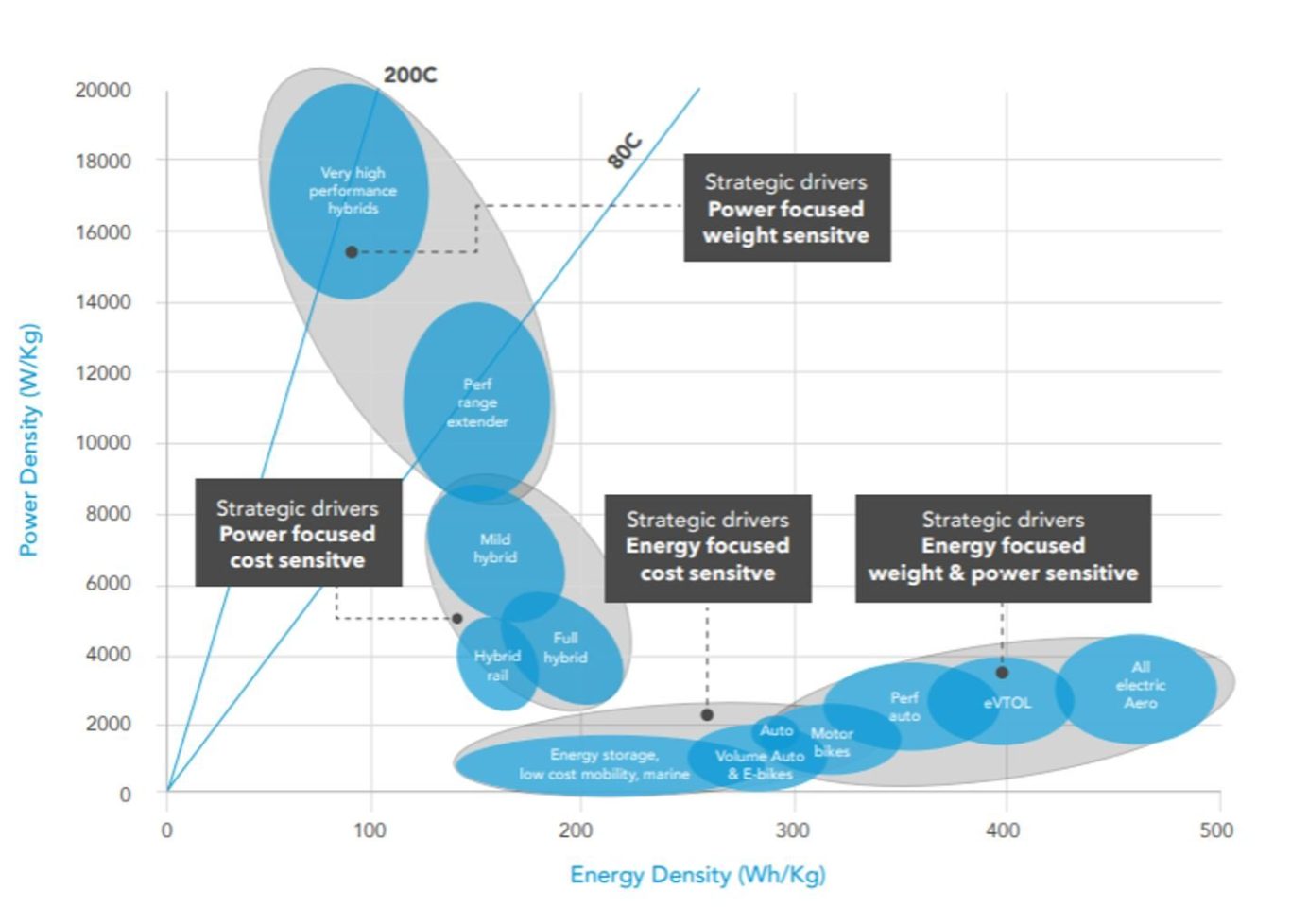
Evaluating power density and energy density as strategic drivers for different applications
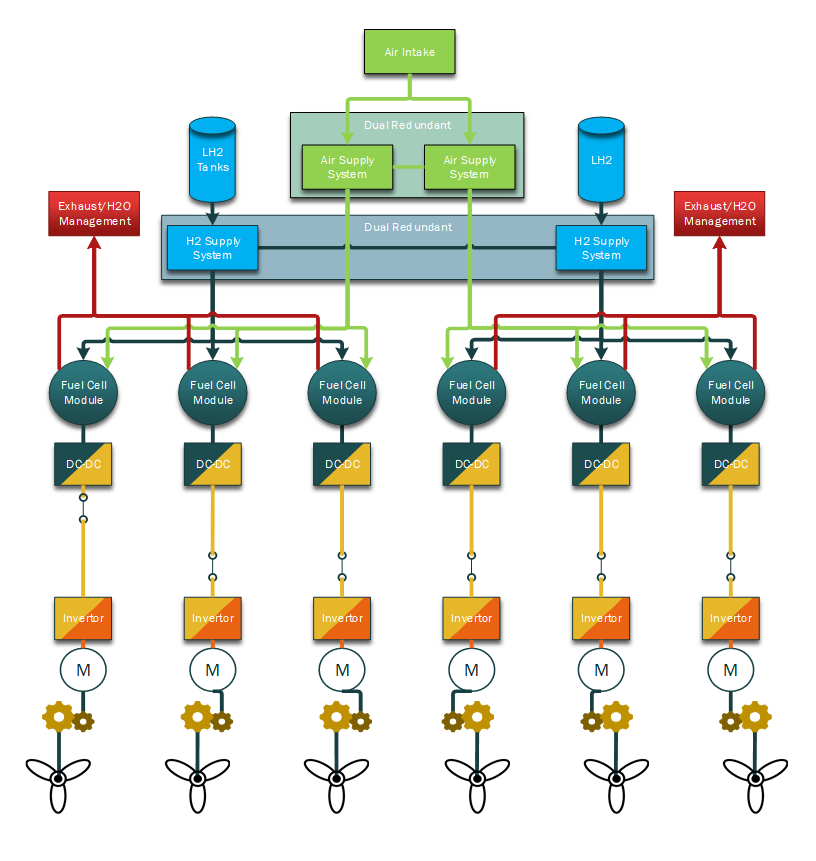
The proposed regional-aircraft electric propulsion architecture uses distributed propulsion, with six independent channels connecting the fuel-cell modules to the propellers. Upstream, dual-redundant air and fuel supply systems are each sized to meet the full flow requirements of all six channels.
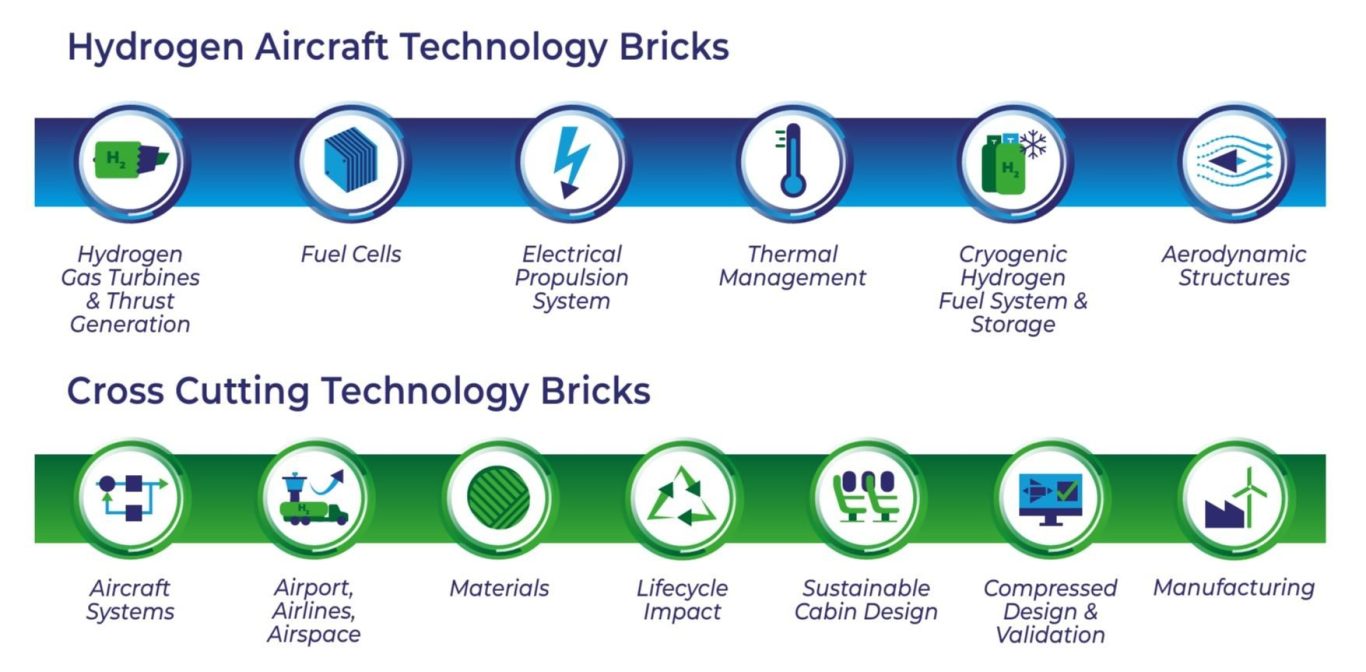
The foundational technology building blocks and key cross-cutting technologies critical to zero-emission aircraft were identified.
PhD / RA
A novel multifunctional structural fuel cell integrates the stack directly into an unmanned aerial vehicle (UAV). To overcome the stack’s size and mass constraints, it forms part of the UAV’s load-bearing structure while supplying power to the vehicle.
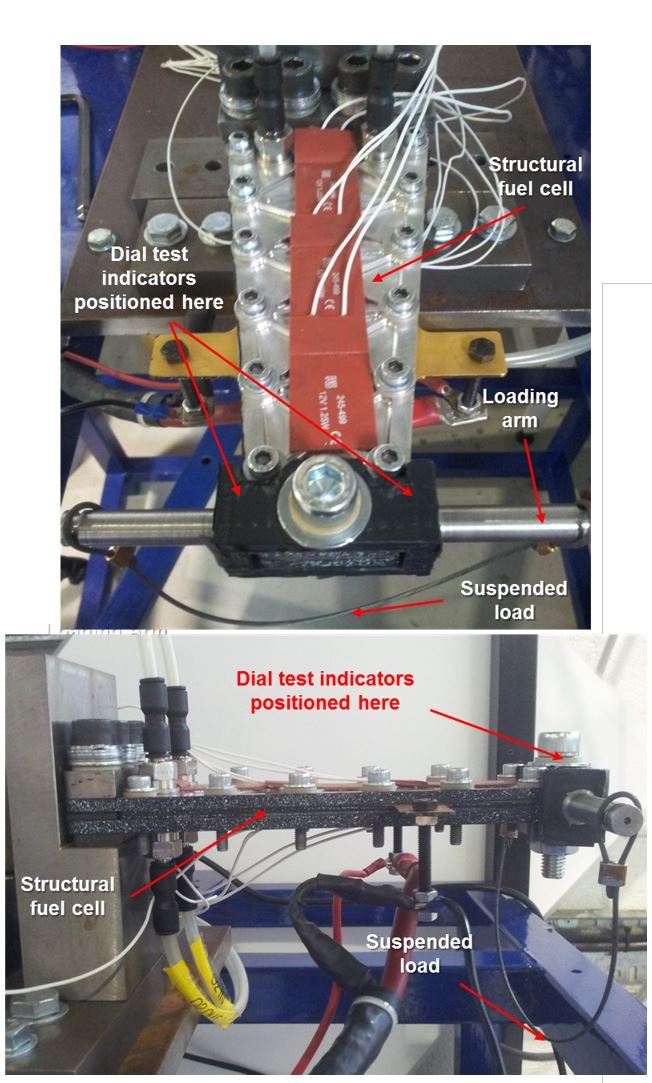
A single fuel cell was designed to match the geometry of an aerofoil’s rear rib section. It would operate normally while subjected to realistic static and dynamic bending and torsional loads.
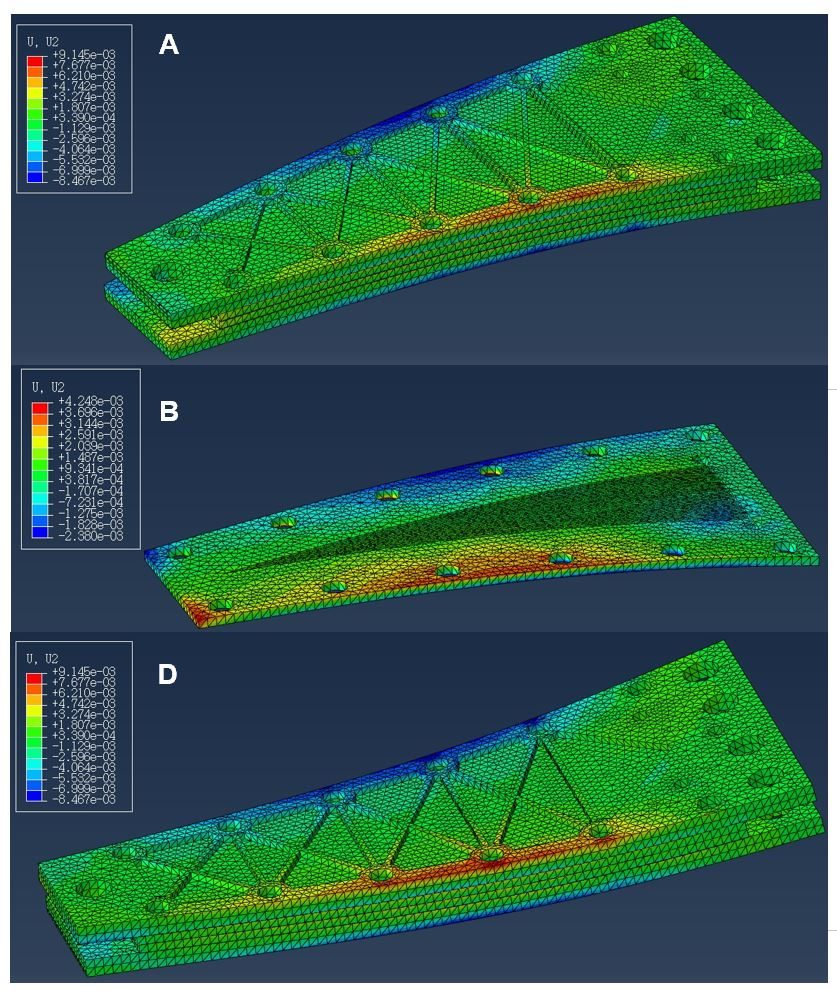
Finite element analysis (FEA) was used to predict cell performance and identify potential design improvements.
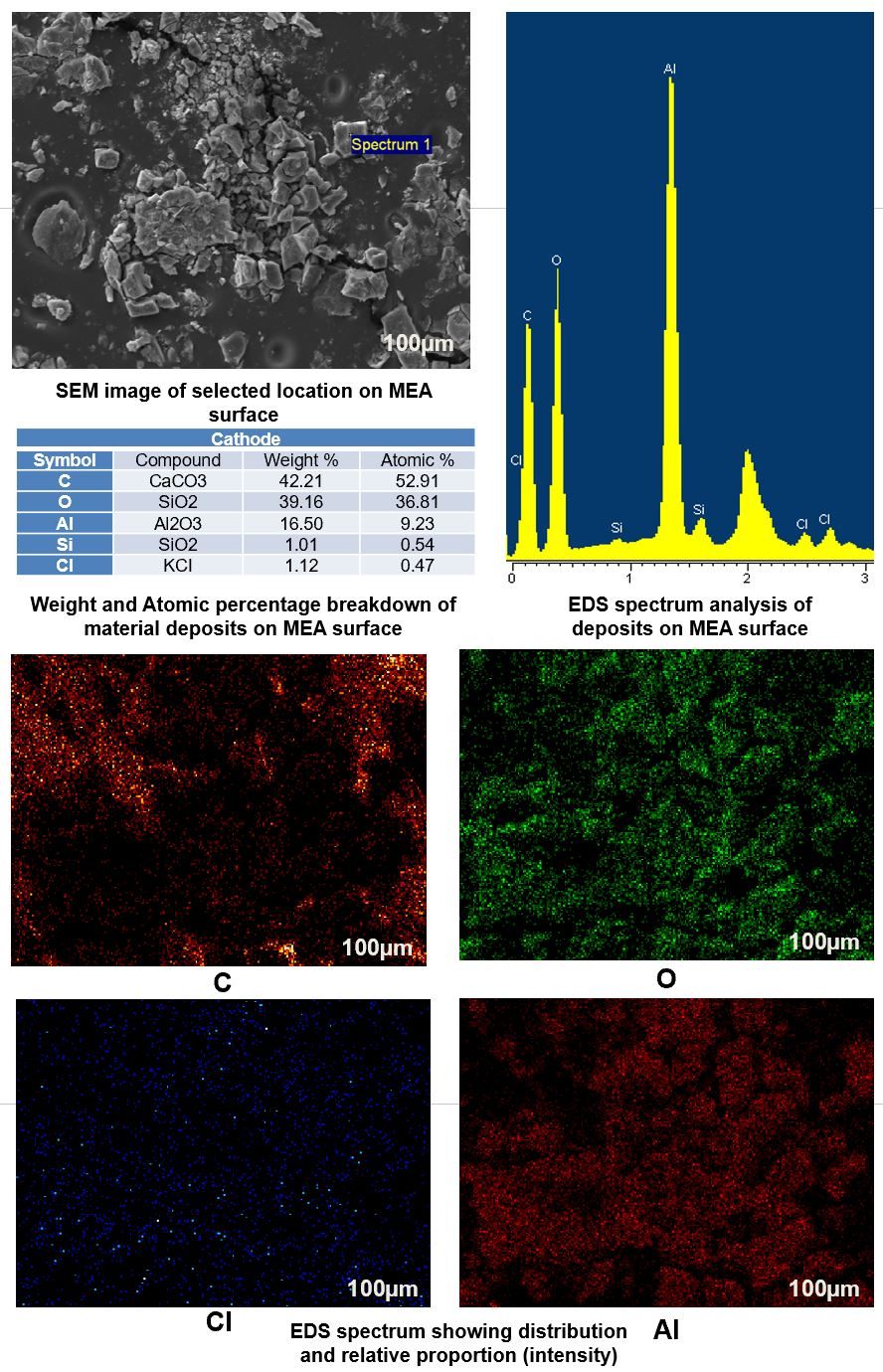
The structural fuel cell was designed to closely replicate an aircraft structure, with its main structural components—bipolar plates—initially made from aluminium. However, the highly acidic cell environment made these components extremely susceptible to corrosion, causing performance degradation and eventual cell failure. Scanning electron microscopy (SEM) and energy-dispersive X-ray spectroscopy (EDS) were used to examine the surface morphology and composition of the corroded plates to identify the underlying corrosion mechanisms.
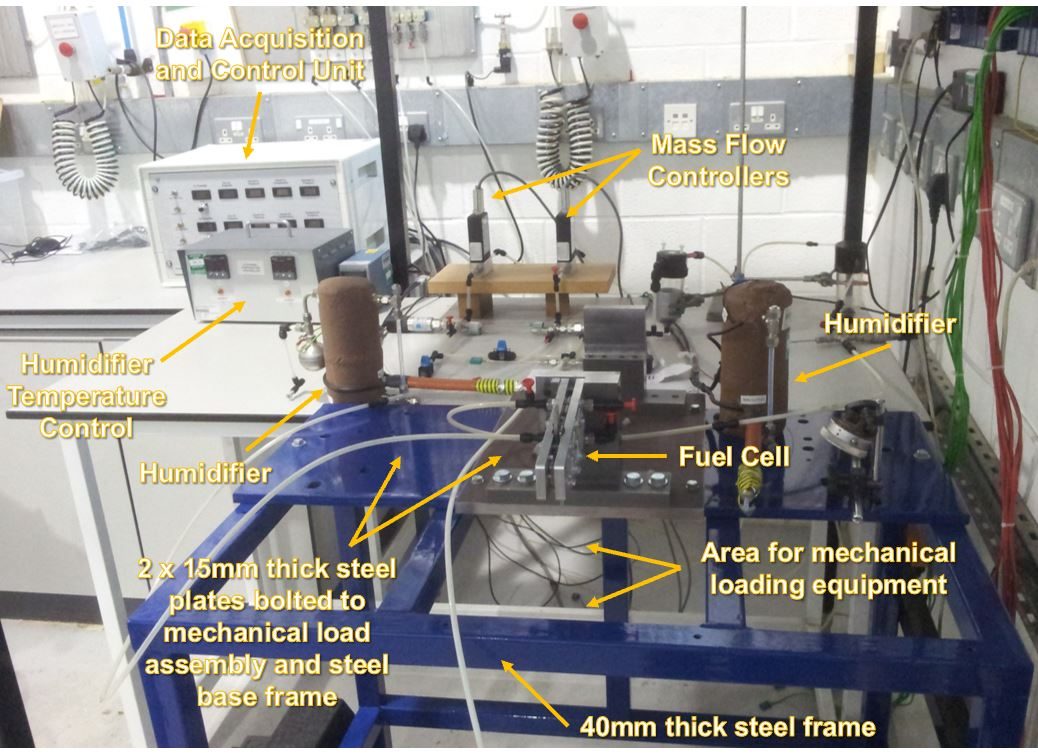
Design, development and testing of a multi-functional strucutral fuel cell
A complete system-level balance-of-plant was also designed and built to support the fuel cell and collect performance data.
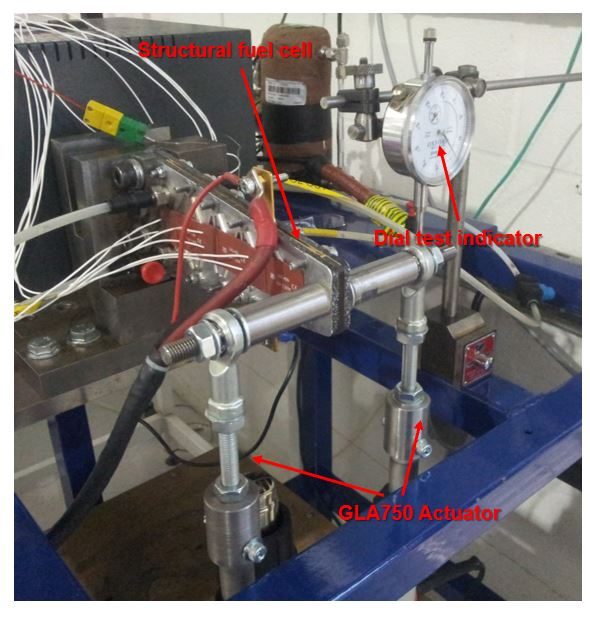
Structural fuel cell under dynamic torsional loads
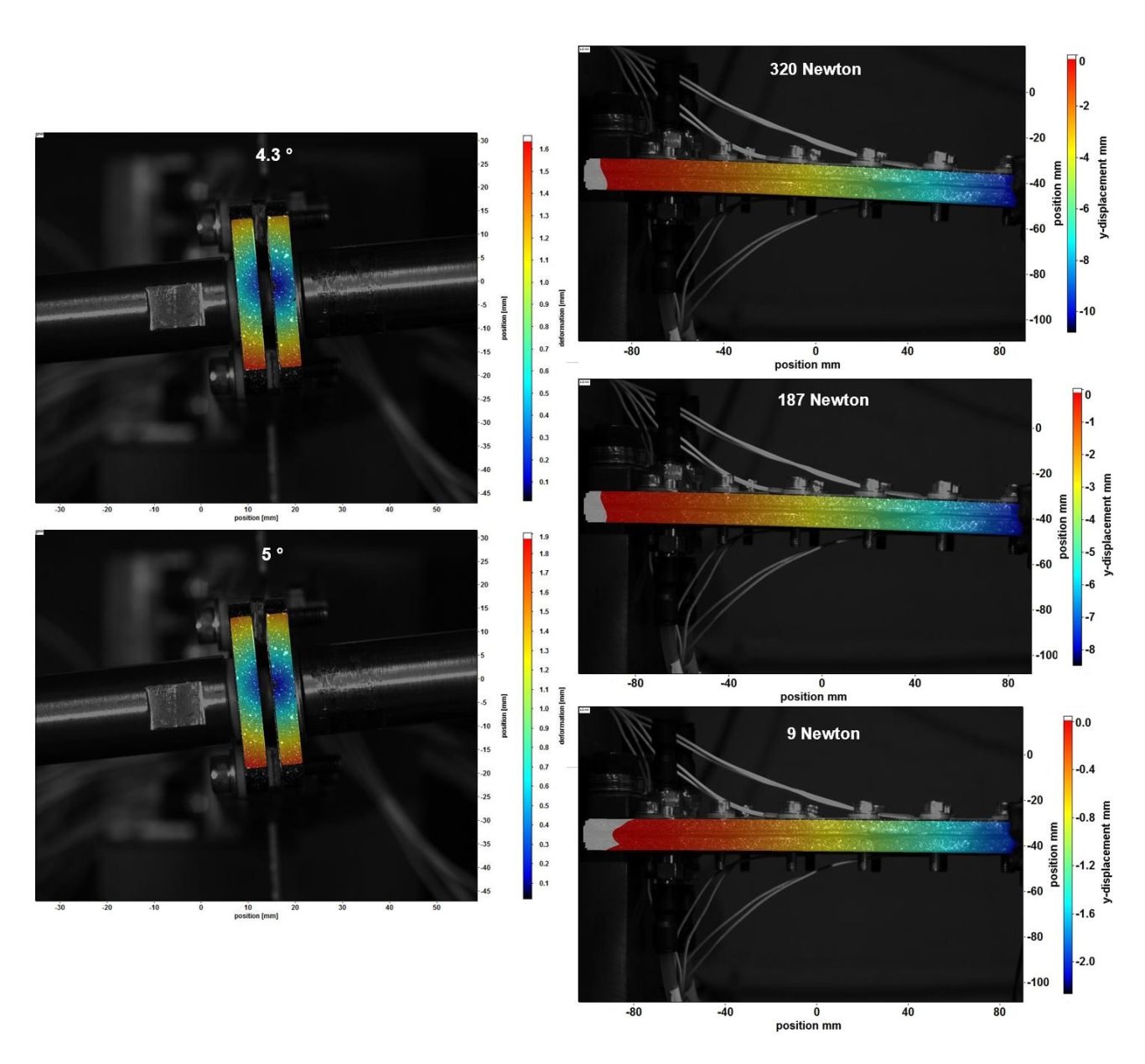
Digital image correlation (DIC) was used to measure displacement whilst the cell was under both bending and torsional loads
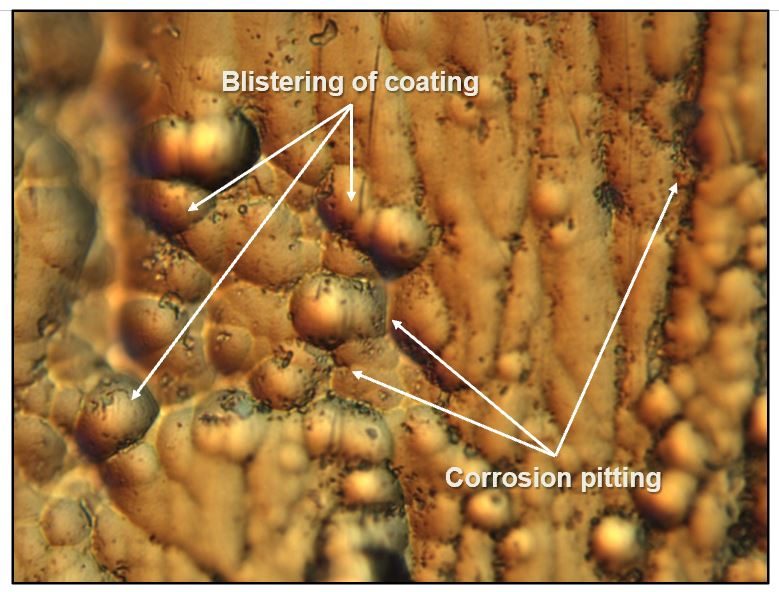
Extensive research was conducted to develop coatings capable of withstanding the highly corrosive environment. Several options were evaluated, and a unique three-part system resolved the issue.